
Consortium of Lichen Herbaria
- building a Global Consortium of Bryophytes and Lichens as keystones of cryptobiotic communities -
|
Staurothele areolata
 |
|
|
Family: Verrucariaceae
[Pertusaria areolata (Ach.) A. Massal., more]  Jason Hollinger |
|
 Jason Hollinger  Garry Neil  Garry Neil  Jason Hollinger  Jason Hollinger  Garry Neil  Joselyn Fenstermacher  Stephen Sharnoff  Stephen Sharnoff  Stephen Sharnoff  Stephen Sharnoff  Stephen Sharnoff  Stephen Sharnoff      Garry Neil   Bruce McCune  A. Sreniawski : FMNH    Garry Neil       Garry Neil   Garry Neil    Garry Neil    A. Sreniawski : FMNH     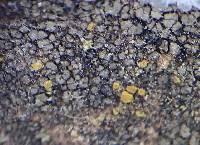 Garry Neil     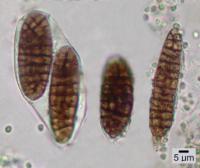 Bruce McCune   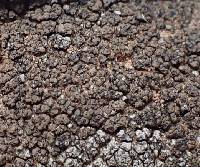 Garry Neil    Garry Neil   Garry Neil     Garry Neil  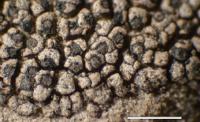 Bruce McCune     The New York Botanical Garden  Garry Neil        Garry Neil   Garry Neil    Garry Neil    A. Sreniawski : FMNH     Garry Neil   Garry Neil       Garry Neil    Garry Neil |
|


Powered by Symbiota